
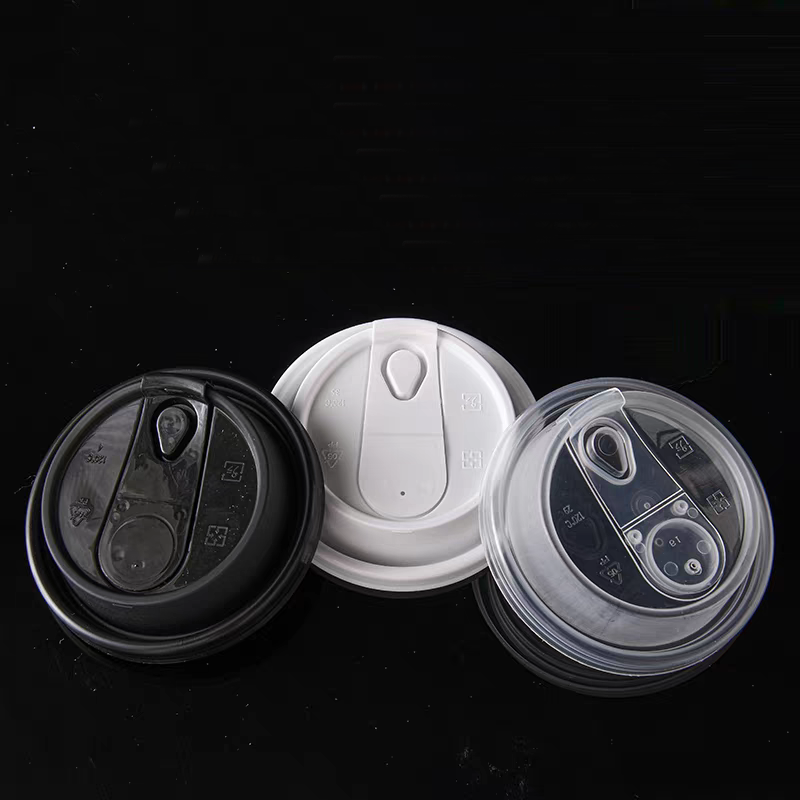
Getting the lid size wrong is the most common ordering mistake in disposable beverage packaging. A 90mm cup will not seal on equipment set up for 95mm, and a paper-cup lid will not fit a plastic cup even when both are labelled 90mm. This guide explains how cup lid sizes work, which lid type suits which drink, and how to check fit before you place a wholesale order.
How cup lid sizes are measured
A lid size refers to the outside diameter of the cup rim, measured in millimeters — not the capacity of the cup and not the width of the base. A cup that holds 500ml may have a 90mm or a 95mm rim depending on its shape, so capacity and rim size are two separate specifications.
When you order lids, match the number to the rim, not to the ounces. If you are unsure, measure across the widest outer edge of the rim with a ruler or caliper. Even a 1–2mm difference can turn a snug snap-fit into a leak.
The standard sizes at a glance
| Lid size | Typical cup | Common drinks |
| 78–80mm | Small paper cups, sample cups | Espresso, tastings |
| 89mm | Small PET cold cups | Juice, iced tea |
| 90mm | Standard PP and paper cups | Coffee, milk tea, bubble tea |
| 92–93mm | Medium cold cups | Iced americano, cold drinks |
| 95mm | Medium–large PET cups | Fruit tea, milk tea, smoothies |
| 98mm | Large PET cups | Bubble tea, shakes, loaded drinks |
| 107–117mm | Bowls and large containers | Salads, desserts, deli |
The two most widely used sizes in beverage service are 90mm and 95mm — parts and accessories for both are easy to source. Our clear PET flat lids and clear PET dome lids cover 78mm to 107mm, so one lid line serves most of the range.
Flat, dome, sip or plug: choosing the lid type
Size is only half the decision. The lid style should match how the drink is consumed.
Flat lids sit close to the rim and are the cost-effective default for cold drinks without toppings — iced coffee, juice, soda. They stack well and are easy to ship. See our flat lids with straw slot and PLA compostable flat lids for the plastic-free option.
Dome lids add height above the rim, which protects toppings such as foam, whipped cream and fruit pulp. They are the standard for bubble tea and smoothies. Our dome lids with hole suit tall, topped drinks, while large-hole dome lids give room for chunky boba and smoothie toppings.
Sip-through lids have a built-in drinking opening, so no straw is needed — the usual choice for hot coffee and tea. We supply PP lids with dual opening and flip-top sip lids for direct drinking.
Plug and stopper lids seal the rim more tightly for delivery, where spills matter most. Options include swivel cup stoppers and specialty designs such as teapot lids.
Specialty lids are a merchandising tool as much as a closure. Panda ear dome lids, red heart plug lids and diamond lids are the ones customers photograph and share.
Match the material to the drink temperature
A common failure is not the size but the material. PET lids are for cold drinks — they offer crystal clarity but deform under heat. PP lids tolerate higher temperatures and are the right choice for hot beverages and for hot-fill applications. PLA lids are compostable and suit cold drinks in markets with plastic-reduction rules.
One more trap: a paper-cup lid uses a rolled rim and a friction fit; a plastic-cup lid uses a snap or groove-lock fit. They are not interchangeable even when both say 90mm. Always confirm the lid is designed for your cup material.
A 4-step checklist before you order
- Measure the outer rim diameter in millimeters, across the widest point.
- Confirm the cup material — paper, PP or PET — and whether the drink is hot or cold.
- Pick the lid style by drink type: flat for simple cold drinks, dome for toppings, sip for hot drinks, plug for delivery.
- Test before bulk ordering. Ask for samples, then shake and invert a filled cup to check the seal.
Standardising on one or two rim sizes across your menu is the single best way to reduce lid SKUs and avoid mismatched orders. If your whole range uses 90mm, you only ever need to stock 90mm lids.
Frequently asked questions
Are 90mm and 95mm lids interchangeable? No. They differ by 5mm at the rim, which is enough to prevent a proper seal. Always match the lid size to the cup’s outer rim diameter.
What lid fits a bubble tea cup? Most bubble tea cups use a 90mm or 98mm rim. A dome lid is the usual choice because it leaves room for toppings; a large-hole dome lid works best for drinks with boba or fruit pulp.
Can I use a PET lid for hot coffee? No. PET is designed for cold drinks and can deform with heat. Use a PP sip-through lid for hot coffee and tea.
How do I know my cup’s rim size if the supplier did not state it? Measure the outside diameter of the rim with a ruler or caliper. If the cup is already in use, ask your cup supplier for the specification — rim size is a standard spec they should have on file.
Do you supply lids wholesale? Yes. We manufacture cup lids in PP, PET and PLA across the common sizes, with custom printing available. Browse the full lid collection or contact us with your cup rim size and monthly volume for a quote.
Find the right lid
The right lid depends on your cup rim, your drink and how it travels to the customer. Browse our cup lid products to find a match, or read our boba cups wholesale buying guide if you are sourcing the cup and lid together.